When people hear the word cybersecurity, they often imagine sophisticated hackers breaking through firewalls, writing complex code, or exploiting unknown vulnerabilities. Movies and news headlines reinforce this image, making cyberattacks appear highly technical and almost impossible to defend against.
In reality, however, the greatest security risk rarely comes from a brilliant hacker. More often, it comes from ordinary human behavior. A weak password, a fake email, an unnecessary browser extension, or a moment of distraction can give attackers everything they need. In many cases, people unknowingly open the door themselves without realizing they were ever under attack.
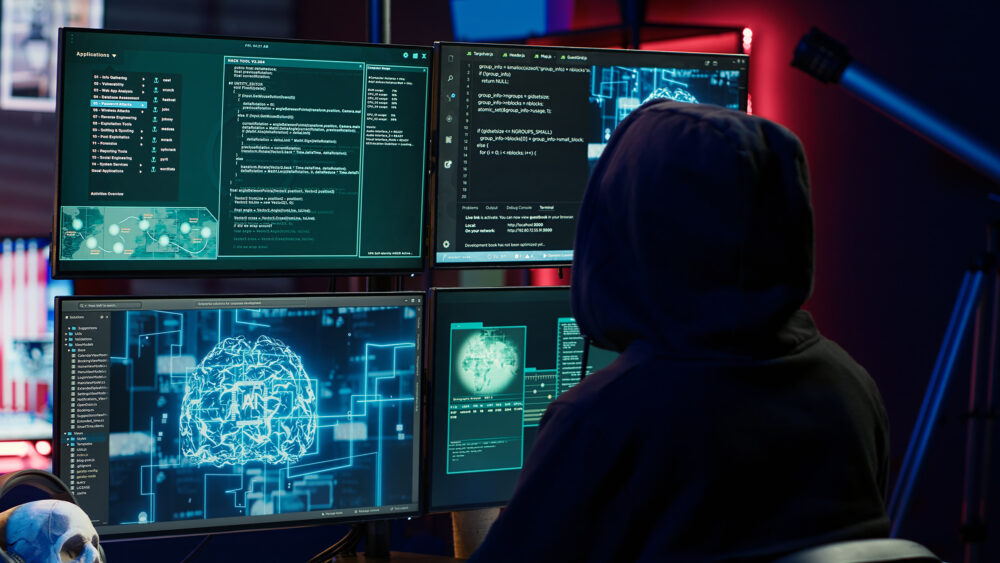
Hackers Don’t Always Hack Systems
Many successful cyberattacks do not begin by attacking computers. They begin by attacking people. Cybercriminals understand that convincing someone to reveal a password is usually much easier than spending days trying to bypass advanced security systems. This approach, known as social engineering, has become one of the most effective methods of compromising both individuals and organizations.
An email pretending to be from your bank, a text message claiming that your package is waiting for delivery, or a phone call from someone claiming to represent technical support can all appear legitimate. If the message creates enough urgency, many people react before they have time to think. The technology protecting their accounts remains secure, but the attacker succeeds because trust, rather than software, became the weakest point.
Convenience Often Defeats Security
People naturally prefer convenience over security. We save passwords in browsers, reuse the same password across multiple websites, stay permanently signed in to important accounts, and connect to public Wi-Fi without considering the risks. None of these actions seem dangerous on their own, yet together they create opportunities that attackers are happy to exploit.
Security often feels inconvenient because it asks us to slow down. Creating unique passwords, enabling multi-factor authentication, or verifying the authenticity of a website takes a little extra time. However, recovering a compromised account, restoring lost files, or dealing with financial fraud takes far longer. A few seconds of prevention can save weeks of frustration.
Strong Technology Cannot Fix Weak Habits
Modern operating systems, web browsers, and online services include sophisticated security features. Automatic updates, encryption, biometric authentication, and AI-powered threat detection have made technology significantly safer than it was only a decade ago.
Despite these advances, technology cannot compensate for poor habits. If someone willingly shares a verification code, downloads an unknown attachment, or ignores repeated security warnings, even the strongest protection becomes ineffective. Cybersecurity is not only about the software we install. It is also about the decisions we make every day.

Your Browser Knows More Than You Think
Most people spend a large portion of their day inside a web browser without realizing how much sensitive information it stores. Browsers can remember passwords, payment cards, addresses, browsing history, cookies, and active login sessions across dozens of websites. If someone gains access to your browser, they may gain access to much more than the browser itself.
For this reason, your browser deserves the same level of protection as your computer. Keep it updated, review the passwords and payment methods stored inside it, and consider using a dedicated password manager for your most important accounts. The browser is no longer just a tool for viewing websites. For many people, it has become the gateway to their digital life.
Be Careful What You Install
Browser extensions can make browsing more productive by blocking advertisements, checking grammar, translating pages, or adding useful features. However, every extension also receives certain permissions, and some request access to everything you do online. Once installed, they may be able to read website content, monitor browsing activity, or interact with pages without attracting attention.
This does not mean that browser extensions should be avoided altogether. It simply means they should be installed with the same level of caution as any other software. Before adding a new extension, ask yourself whether you truly need it, who developed it, how many people use it, and what permissions it requests. Reducing unnecessary software is one of the simplest ways to reduce your digital attack surface.
Ransomware Doesn’t Only Target Large Companies
Many individuals assume that ransomware only affects governments or multinational corporations. Unfortunately, that assumption has caused countless people to lose years of personal memories, important documents, and valuable business data. Attackers often prefer easier targets because smaller organizations and home users usually have weaker security and fewer backup procedures.
The most effective defense against ransomware is surprisingly simple. Maintain regular backups, keep your devices updated, and avoid opening unexpected attachments or downloading software from untrusted sources. If your files exist in only one location, you are depending entirely on luck. A backup is not merely a copy of your data, it is insurance against mistakes, hardware failures, and cyberattacks alike.
The Best Defense Is Awareness
Cybersecurity is often viewed as a technical discipline reserved for IT professionals. In reality, the majority of security incidents begin with ordinary decisions made by ordinary people. Every email you open, every website you visit, every application you install, and every password you create contributes to your overall level of security.
The goal is not to become suspicious of everything around you. Instead, it is to develop the habit of pausing before clicking, downloading, or sharing sensitive information. A few moments of careful thinking are usually enough to prevent problems that could otherwise take months to resolve.
Security Is a Daily Habit
The strongest passwords, the latest antivirus software, and the most advanced security systems all have one limitation: they cannot replace good judgment. Technology continues to evolve, but so do the methods used by cybercriminals. As defenses become stronger, attackers increasingly rely on human behavior because people remain more predictable than computers.
The greatest investment you can make in cybersecurity is not purchasing another application or gadget. It is developing better habits. Staying informed, questioning unexpected requests, updating your devices, and regularly backing up your data will protect you far more effectively than relying on technology alone. In the digital world, awareness is not simply another security feature. It is the foundation upon which every other layer of security depends.